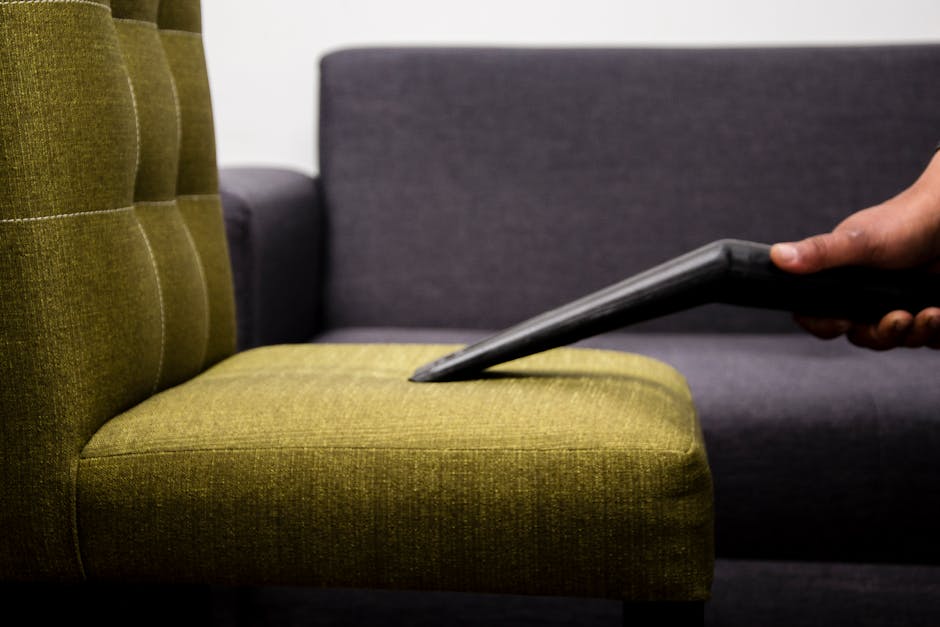
North Finchley upholstery cleaning for Ballards Lane shops
If you run a shop on Ballards Lane, you already know the furniture works harder than it looks. A waiting chair gets sat on all day, a display bench picks up dust and street grit, and staff seating starts to look tired long before it is actually worn out. That is where North Finchley upholstery cleaning for Ballards Lane shops becomes less of a nice-to-have and more of a sensible part of keeping the premises presentable. Done well, it helps your shop look cared for, feel fresher, and last longer between replacements.
This guide explains what shop upholstery cleaning involves, how it works, who needs it, and what to watch out for before booking. You will also find a checklist, a comparison table, and a real-world example that reflects the kind of day-to-day mess local businesses deal with. Nothing dramatic. Just practical, useful advice you can actually use.
Table of Contents
- Why it matters for Ballards Lane shops
- How upholstery cleaning works
- Key benefits and practical advantages
- Who needs it and when it makes sense
- Step-by-step guidance
- Expert tips for better results
- Common mistakes to avoid
- Tools, resources and recommendations
- Law, compliance, standards, or best practice
- Options, methods, or comparison table
- Case study or real-world example
- Practical checklist
- Conclusion
- Frequently asked questions
Why North Finchley upholstery cleaning for Ballards Lane shops Matters
Ballards Lane is busy. People pass by quickly, glance into windows, and make snap judgements. That means the state of your seating, soft furnishings, and upholstered display pieces contributes to the first impression before anyone speaks to staff. A clean chair can make a reception corner feel calm and professional; a stained one can make the whole shop seem a bit tired, even if the rest of the place is spotless. Bit unfair, but that is how customers think.
For many local shops, upholstery is not decorative. It is functional. You may have:
- customer seating in a salon, clinic, showroom, or boutique
- staff chairs and break-area seating
- display benches or waiting benches
- fabric-covered headboards, ottomans, or fixed seating
- curtains or soft furnishings near the front of the premises
These items trap dust, odours, body oils, food residue, drink spills, and the fine dirt that drifts in from foot traffic. Over time, that buildup affects appearance and hygiene. In a retail setting, it can also affect how long fabrics last before they need repair or replacement.
There is another point that shop owners sometimes overlook: upholstery can hold onto smells. Coffee, perfume, cleaning products, damp weather, and food odours all settle in. On a wet North London afternoon, you can often smell that before you can see it. A proper clean helps reset the space.
Expert summary: For Ballards Lane shops, upholstery cleaning is not just about stains. It is about presentation, comfort, odour control, and protecting the life of business furnishings that take daily use.
If your business also needs wider premises cleaning, it may help to look at commercial cleaning support alongside upholstery care, because the best results usually come from treating the space as a whole rather than cleaning one item in isolation.
How North Finchley upholstery cleaning for Ballards Lane shops Works
Most professional upholstery cleaning starts with inspection. That sounds obvious, but it matters. Different fabrics react differently to moisture, agitation, and cleaning agents. A velvet chair, a synthetic waiting bench, and a lightly soiled office sofa are not treated the same way. A good cleaner checks the fabric type, condition, visible staining, and any risk areas before choosing the method.
In simple terms, the process often follows this pattern:
- Assessment - identify the fabric, construction, age, and visible problem areas.
- Dry soil removal - vacuuming and careful agitation remove loose dust and grit.
- Stain spotting - targeted treatment for marks such as drink spills, ink, food, or traffic dirt.
- Deep clean - depending on fabric, this may be steam extraction, low-moisture cleaning, or hand work.
- Rinse or neutralise - residues are reduced so the fabric does not attract dirt again too quickly.
- Drying - airflow and positioning help the item dry safely and evenly.
- Final check - the cleaner checks for remaining marks, fabric issues, or areas needing a second pass.
Sometimes people assume "steam" means the only answer. Not really. Steam carpet cleaning is useful in the right context, and there is a related steam carpet cleaning service for floor coverings, but upholstery usually needs a more cautious, fabric-aware approach. Too much water on the wrong material can lead to long drying times, water rings, or distortion. Nobody wants a chair that looks worse after cleaning. That would be a very expensive kind of irony.
For many shops, upholstery cleaning can be scheduled outside trading hours. That is often the smart move. If a shop opens at 9am, cleaning after closing time or early in the morning reduces disruption and gives fabrics more time to dry before customers arrive.
Key Benefits and Practical Advantages
The obvious benefit is that furniture looks better. The less obvious benefits are the ones that matter over time.
- Better presentation: Fresh upholstery makes a business feel looked after.
- Improved comfort: Clean fabrics feel less sticky, dusty, or worn.
- Odour reduction: Useful in waiting areas, customer seating, and staff spaces.
- Longer fabric life: Regular care can delay the need to replace upholstered items.
- Healthier environment: Dust and allergens are reduced, which can help the indoor feel of the shop.
- Better stain management: Early treatment often means fewer permanent marks.
- More consistent brand image: This matters especially in customer-facing spaces where detail counts.
There is also a practical money point. Replacing a row of chairs, benches, or bespoke seating is expensive and disruptive. In many cases, periodic upholstery cleaning is a far simpler way to keep the furniture serviceable and visually acceptable. Not glamorous, but sensible.
For shops that want a broader maintenance plan, upholstery cleaning can sit nicely beside office cleaning, commercial carpet cleaning, or even hard floor cleaning if the premises mix soft seating with tiled, vinyl, or stone flooring. That combination tends to create a more complete refresh.
Who This Is For and When It Makes Sense
Upholstery cleaning is useful for more than just large retail units. On Ballards Lane, it can make sense for a wide range of businesses:
- beauty salons and nail bars
- barbers and hair salons
- cafes with soft seating
- boutiques with customer benches
- opticians, clinics, and wellness rooms
- estate agency waiting areas
- showrooms with fabric display seating
- professional offices with client-facing reception furniture
It makes sense when you notice one or more of these signs:
- the fabric looks dull even after routine vacuuming
- there are visible drink marks, hand marks, or food smudges
- the seating smells stale or musty
- staff or customers mention the furniture looking tired
- the upholstery has not been professionally cleaned in a while
- you are preparing for a relaunch, inspection, sale, or busy trading period
Timing matters too. If your shop has seasonal peaks, do the work before the rush rather than during it. The same goes for venues with regular customer appointments. It is easier to refresh furniture on a quiet Tuesday evening than on a packed Saturday morning. Let's face it, nobody enjoys navigating damp cushions and cleaning equipment while trying to serve customers.
If your business also needs one-off refreshes after a busy period, a service like one-off cleaning can be a useful companion to upholstery work, especially when the whole space needs a reset rather than just one item.
Step-by-Step Guidance
If you are planning upholstery cleaning for a Ballards Lane shop, here is a straightforward way to approach it.
1. Walk the space and identify the priority items
Start with the furniture customers actually see. Reception chairs, waiting seats, and front-of-shop benches usually deserve first attention. Then look at staff seating and any upholstered items near windows, tills, or food prep areas. The front edge of a sofa often tells the story first.
2. Note the fabric and the problem type
Try to record whether the issue is general dullness, isolated stains, odour, pet hair, grease, or wear. If the item has a fabric label or care note, keep that visible. The more information the cleaner has, the safer and more efficient the job usually is.
3. Choose a cleaning method that suits the material
Different fabrics need different levels of moisture and agitation. A deep extraction clean may be fine for some synthetic upholstery, while more delicate materials may need low-moisture treatment or targeted spot care. This is where experience really matters. The wrong method can leave water marks or flatten the texture.
4. Plan the job around trading hours
Allow enough drying time. In a busy shop, that often means cleaning after closing or on a non-trading day. If you are cleaning customer seating, think about access routes too. You do not want hoses crossing a narrow aisle where people will be walking the next morning.
5. Treat stains before they settle deeper
Fresh marks are easier to remove than old, heat-set, or repeatedly rubbed-in stains. Even simple things like coffee, foundation makeup, printer toner, and ink from a leaky pen can become stubborn if left too long. A quick response can save a lot of faff later.
6. Check drying and ventilation
Open windows if it is safe to do so, use airflow where possible, and keep furniture spaced out. Drying is not a side issue; it is part of the clean. Upholstery that stays damp too long may attract odours or resoil more quickly. That part gets overlooked surprisingly often.
7. Build a maintenance rhythm
For shops with regular customer contact, occasional professional cleaning is usually better than waiting until everything looks visibly bad. A modest maintenance pattern tends to preserve appearance more efficiently than emergency clean-ups.
Expert Tips for Better Results
Over time, small habits make a big difference. Here are the ones that usually help most in real shop settings.
- Vacuum first, always. Loose grit can scratch fibres and push dirt deeper if skipped.
- Test hidden areas where possible. Especially on coloured or delicate fabrics.
- Blot, don't rub. Rubbing spreads stain edges and can distort the pile.
- Use stain-specific treatment carefully. Grease, dye, tannin, and protein-based stains behave differently.
- Keep an eye on humidity. A damp day in North Finchley can slow drying a little more than you expect.
- Protect cleaned furniture during busy periods. Fresh cleaning is only half the story; preventing immediate re-soiling matters too.
A small but useful habit: photograph items before cleaning. Not for drama. Just for tracking what changed, what improved, and whether a second visit is needed. It helps you spot patterns, especially if the same chair keeps getting marked in the same place.
If your shop also has curtains near the front windows or in a treatment room, consider pairing upholstery work with curtain cleaning. Soft furnishings tend to share dust, odour, and airborne debris, so cleaning them together often gives a more noticeable result.
Common Mistakes to Avoid
Some upholstery problems are made worse by well-meaning but clumsy treatment. It happens all the time.
- Using too much water. This can lead to long drying times, rings, and fabric distortion.
- Trying harsh chemicals first. Strong products can bleach, dull, or damage fibres.
- Ignoring the fabric type. A method that works on one chair may ruin another.
- Leaving stains until they are permanent. Time really does matter here.
- Cleaning only the visible mark. Sometimes the surrounding area needs blending to avoid a patchy finish.
- Forgetting about odour sources. A clean-looking chair can still smell if the cause is deeper in the padding.
- Not allowing enough drying time. That is the one people regret most on opening day.
One more thing: avoid masking smells with heavy fragrances. It may seem like a quick fix, but it can make a shop smell oddly mixed rather than clean. Fresh is better than "lavender on top of stale coffee." Always.
Tools, Resources and Recommendations
For business owners or managers who want to stay on top of upholstery care, a few simple tools and practices make life easier:
- a soft brush attachment for vacuuming fabric surfaces
- a lint roller for quick daily touch-ups on visible seating
- plain white cloths for blotting small spills safely
- a basic incident log for noting stains, odours, and cleaning dates
- good airflow planning for after-hours work
- floor protection for routes between cleaning areas and public access points
It also helps to have a sensible service plan. If your premises has frequent customer traffic, think in terms of routine maintenance rather than waiting for visible damage. In practice, many shops manage better when upholstery care is part of a wider cleaning schedule that also includes carpets, floors, and windows. A shop with clean upholstery and clean glass just feels more sorted. Simple as that.
Useful related services on the same site include carpet cleaning, window cleaning, and deep cleaning when a full refresh is needed rather than a single-target clean. For businesses with frequent footfall, that joined-up approach is usually the least stressful option.
Law, Compliance, Standards, or Best Practice
For a shop, upholstery cleaning is mostly a practical maintenance task, but it still sits within ordinary UK business expectations around hygiene, workplace safety, and care of premises. If customers or staff use the furniture regularly, you should treat cleaning as part of general upkeep rather than an occasional cosmetic extra.
Best practice usually includes:
- using suitable products for the fabric and the setting
- avoiding slip or trip hazards during the clean
- keeping cleaning work away from customers where possible
- allowing furniture to dry properly before use
- checking whether a fabric needs special handling
- making sure any contractor works in line with your site safety expectations
If you are bringing in a cleaner, ask about insurance, public liability cover, and safe working methods. A professional provider should be able to explain how they approach risk, drying, and fabric protection in plain English. That kind of clarity matters more than fancy language.
You may also want to confirm how they handle waste water, residues, and sustainability considerations. The recycling and sustainability page explains the company's general approach to doing the job responsibly, which is useful if your business cares about keeping operations tidy and sensible at the same time.
For reassurance around service standards and business practices, it can also help to review the company's health and safety policy and insurance and safety information before you book. That is not overcautious. It is just good business sense.
Options, Methods, or Comparison Table
There is no single best method for every upholstered item. The right choice depends on the fabric, the level of soiling, and how quickly the furniture must return to use. Here is a simple comparison.
| Method | Best for | Strengths | Watch-outs |
|---|---|---|---|
| Low-moisture cleaning | Delicate or lightly soiled upholstery | Faster drying, gentler on many fabrics | May be less effective on deep contamination |
| Hot water extraction | Many synthetic fabrics and more embedded dirt | Strong soil removal, good for odour and stains | Needs careful drying and fabric suitability checks |
| Targeted stain treatment | Isolated marks and spot issues | Precise, efficient, useful as part of a broader clean | Can leave a patch if blending is poor |
| Dry compound or surface cleaning | Very moisture-sensitive situations | Minimal wetting, quick turnaround | Not always enough for heavier contamination |
For a Ballards Lane shop, the choice often comes down to trading schedule. If you need a fast turnaround, low-moisture methods may suit. If the upholstery is heavily used and visibly dirty, a deeper clean may be worth the extra drying time. There is no magic answer, really; just the right method for the fabric in front of you.
Case Study or Real-World Example
Here is a realistic example drawn from the sort of situation local businesses deal with. A small North Finchley boutique with two customer benches and several staff chairs noticed the upholstery looked grey around the edges and had a faint stale smell, especially near the front window. The furniture itself was still perfectly usable, but it no longer matched the standard of the rest of the shop.
The owner first assumed the problem was just dust, but a closer look showed a mix of street grit, hand oils, and old drink marks. Cleaning was scheduled for after closing time so the benches could dry overnight. The cleaner vacuumed thoroughly, treated the visible marks, then used a fabric-appropriate deep clean on the heavily used areas. Drying took the rest of the evening and part of the next morning, which was fine because the shop opened a little later that day.
The result was not miraculous. It was better than that. The seats looked lighter, the smell cleared, and the front of the shop felt more in step with the rest of the decor. The owner later said the space felt less "a bit lived in" and more ready for customers again. That is often what good upholstery cleaning really does: it quietly restores confidence in the space.
If the same premises had also needed a more general reset, a combination of commercial carpet cleaning and upholstery care would have been the logical next step. Sometimes the furniture is the clue, but the whole room benefits.
Practical Checklist
Use this quick checklist before booking or carrying out upholstery cleaning in a Ballards Lane shop:
- identify every upholstered item that customers or staff can see or use
- note the fabric type if known
- mark visible stains, odours, and high-wear areas
- check opening hours and plan around downtime
- allow enough drying time before the next trading period
- confirm access, parking, and entry details for the cleaner
- protect nearby stock, displays, and electrical items
- ask what method will be used and why
- confirm insurance and safe working arrangements
- set a follow-up schedule if the furniture sees heavy daily use
If you are coordinating several cleaning tasks at once, it is often easier to bundle them into one service plan rather than booking everything separately. A sensible mix might include upholstery, floors, and glass. That way the shop gets a proper reset rather than half a refresh.
Conclusion
North Finchley upholstery cleaning for Ballards Lane shops is one of those jobs that quietly pays for itself in appearance, comfort, and the life of your furniture. Clean upholstery helps a business feel cared for, which is something customers pick up on faster than most owners expect. It also makes day-to-day maintenance easier, because small issues are dealt with before they become awkward, expensive problems.
The key is to treat upholstery as part of the shop environment, not an afterthought. Choose the right method, allow proper drying time, and avoid the quick-fix mistakes that often make stains worse. That is usually enough to get a result that feels fresh without being overdone. And to be fair, that is what most shops need.
Get a free quote today and see how much you can save.
When the seating looks good, the whole shop tends to feel better. Sometimes that is all it takes to make the space breathe again.
Frequently Asked Questions
How often should a Ballards Lane shop have upholstery cleaned?
It depends on footfall, fabric type, and how customer-facing the seating is. Shops with heavy daily use usually benefit from regular maintenance, while quieter premises may only need periodic cleaning. If seats start looking dull or smelling stale, it is probably time rather than later.
Can upholstery cleaning be done outside business hours?
Yes, and in many shops that is the best option. Evening or early-morning appointments reduce disruption and give fabrics time to dry before customers return. For busy premises, out-of-hours cleaning is often the practical choice.
Will upholstery cleaning remove old stains completely?
Not always. Some stains fade significantly, some come out fully, and some are permanent depending on fabric type, stain age, and previous cleaning attempts. A careful assessment is usually needed before promising a perfect finish.
Is steam cleaning safe for all upholstery?
No. Steam or hot water extraction can work well on some fabrics, but not on all of them. Delicate, moisture-sensitive, or specialist fabrics may need a gentler method. Always match the method to the material, not the other way around.
How long does upholstery take to dry?
Drying time varies based on the method used, airflow, room temperature, and fabric thickness. Lightweight synthetic seating may dry relatively quickly, while thick or padded furniture takes longer. Planning enough drying time is one of the most important parts of the job.
What types of shop furniture can be cleaned?
Common examples include chairs, benches, sofas, reception seating, ottomans, fabric panels, and some window furnishings. If it is upholstered and safe to clean, there is usually a workable method for it.
Can upholstery cleaning help with smells?
Yes, especially when the odour is caused by trapped dirt, spills, or general buildup. It will not solve every smell if there is a deeper issue, but it often makes a noticeable difference in customer-facing areas.
Should I clean upholstery before or after carpet cleaning?
Either can work, but many businesses prefer to clean upholstery first or as part of the same visit, then complete floors afterwards. The right order depends on access, drying needs, and how the space is used. It is worth planning properly so you do not undo your own work.
Do I need to move furniture before the cleaner arrives?
Usually you only need to clear personal items, stock, and anything fragile nearby. Full movement of furniture depends on the layout and the type of item being cleaned. A quick walkthrough before the appointment helps avoid surprises.
How do I know if a cleaner is suitable for commercial upholstery?
Ask about experience with business premises, fabric types, drying times, insurance, and safe working methods. A reliable provider should explain the process clearly and tell you what to expect. If the answers feel vague, that is worth noting.
Is upholstery cleaning worth it for a small shop?
Usually, yes. Even a small shop benefits from cleaner customer seating, fresher odour, and a more polished look. For smaller premises, the visual impact can be even more noticeable because every item stands out more.
What should I do if a spill happens on the same day?
Blot the area gently with a clean cloth, avoid rubbing, and keep the stain from being spread further. Do not flood it with water. A quick response often improves the chances of a good professional clean later.