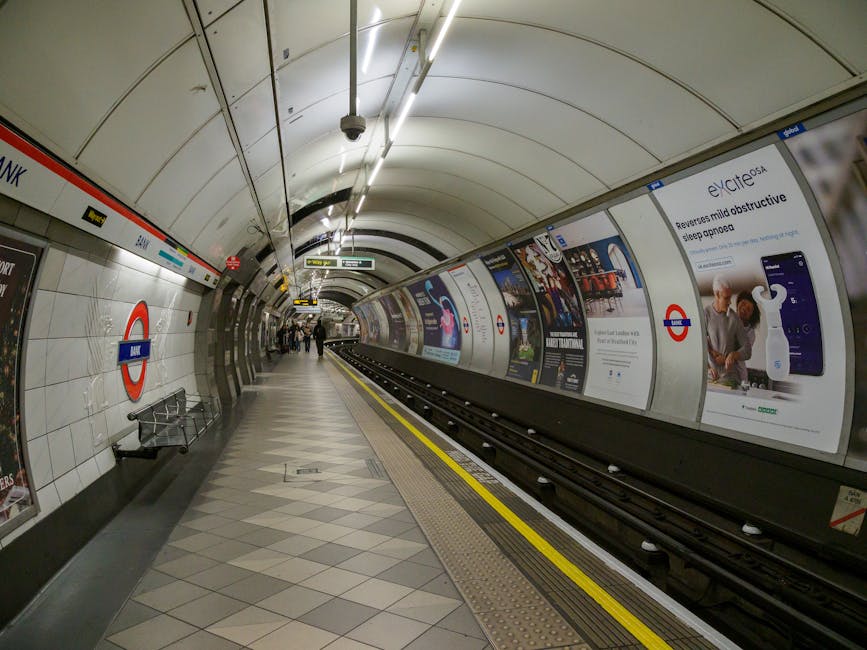

East Finchley rug cleaning tips near the tube station
Posted on 18/06/2026
If you live, work, or commute through East Finchley, you already know how quickly a rug can pick up the day-to-day reality of London life: muddy shoes after a wet morning, coffee near the sofa, dust from open windows, or the odd mark from a busy family flat. These East Finchley rug cleaning tips near the tube station are designed to be practical, local, and genuinely useful, whether you are dealing with a small hallway runner, a wool rug in a period home, or something more delicate that needs a careful touch.
To be fair, the hardest part is often not the cleaning itself. It is knowing what to clean, what to leave alone, and when a quick DIY refresh is enough versus when you should bring in a professional clean. This guide walks you through all of that without the fluff. You will get step-by-step advice, common mistakes to avoid, a simple comparison of methods, and a checklist you can actually use before you start scrubbing away.

Why East Finchley rug cleaning tips near the tube station matters
Living near a transport hub changes the way rugs age. There is more foot traffic, more grit, and usually more coming and going from outside to inside. Around East Finchley tube station, that often means compact flats, shared entrances, rented homes, and family properties where rugs do a lot of work. They soften a room, reduce noise, and make a place feel properly lived in, but they also trap the stuff you do not want to see under good lighting.
That matters because rugs are not just decorative. A clean rug can improve how a room looks, smell, and feels underfoot. A neglected rug, on the other hand, can hold onto dust, odours, and stains that get harder to remove over time. And if you have children, pets, or allergy-prone household members, a regular cleaning routine becomes less of a nice idea and more of a sensible habit.
There is another reason this topic matters locally: East Finchley homes can include a mix of older flooring, delicate fibres, and rented interiors where you want the rug looking good without risking damage. A one-size-fits-all approach rarely works. Wool behaves differently from synthetics. Flatweave rugs are not treated the same as shaggy pile rugs. And if you guess wrong, you can end up with colour bleed, shrinkage, or a watermark that honestly looks worse than the original spill.
Expert summary: the best rug cleaning approach near East Finchley tube station is the one that matches the rug fibre, the stain type, the drying conditions, and the time you actually have. Not the one that sounds most aggressive.
How East Finchley rug cleaning tips near the tube station works
At a simple level, rug cleaning is about removing soil without stressing the fibres. In practice, that means deciding whether to use dry cleaning, spot cleaning, low-moisture cleaning, or a deeper wash. The method depends on what the rug is made of, how dirty it is, and whether it can be safely dried in a flat, hallway, or conservatory without lingering dampness.
Most everyday cleaning starts with surface removal. That means vacuuming slowly and thoroughly, ideally both sides if the rug can be lifted. After that comes stain treatment. This part is where people get into trouble, because they rush straight to soaking the mark. The better approach is to identify the spill, test a small hidden area, and use the least aggressive method first.
Near the tube station, many homes have less drying space than a larger house might. That changes the whole game. A rug that stays damp for too long can develop odour, stiff fibres, or backlining issues. So the process needs to be controlled. Light cleaning solutions, measured moisture, good ventilation, and patience usually beat a heroic blast of water. Annoying, maybe. Effective, yes.
Professional rug cleaning follows the same logic, just with stronger equipment and more control over extraction, drying, and fibre care. If you are comparing services, it helps to understand the difference between a quick surface refresh and a deeper restorative clean. That is especially useful if you are managing an end of tenancy, preparing a flat for viewing, or just trying to keep a much-loved rug from looking tired.
Key benefits and practical advantages
The biggest benefit is obvious: a cleaner rug looks better. But the practical upsides go further than appearance, and this is where many people underestimate the value of doing it properly.
- Better indoor freshness: rugs hold odours from shoes, cooking, pets, and general daily use. Regular cleaning helps the room smell fresher.
- Longer rug life: dirt acts a bit like sandpaper. Removing it early can reduce fibre wear.
- Improved appearance: colours usually look brighter and patterns more defined after a proper clean.
- Less allergen build-up: while no cleaning method removes every particle, routine vacuuming and deep cleaning can reduce dust accumulation.
- Safer surfaces: lifting grit and sticky residue can reduce the chance of slipping, especially on runners or rug corners.
- Better property presentation: if you rent, sell, or host guests, a fresh rug makes a real difference to first impressions.
There is also a quiet psychological benefit. A clean rug makes a room feel calmer. You notice it in the background rather than the foreground, which is probably exactly how it should be. No one wants to stare at a stain during dinner.
Who this is for and when it makes sense
This advice is useful for quite a few people in and around East Finchley. If you are a tenant, a homeowner, a landlord, or someone managing a small office or studio, you will likely find a few practical wins here. It also makes sense if you have a rug that is expensive, sentimental, or just awkward to replace.
In our experience, the most common situations are:
- you have a small stain and want to deal with it quickly before it settles;
- your rug looks dull from daily foot traffic near an entrance or hallway;
- you are getting ready for guests or a property viewing;
- you need a cleaner rug but cannot take it away for days;
- you have a rug made from wool, viscose, or another fibre that needs care;
- you are trying to choose between DIY cleaning and a professional visit.
If your rug is antique, hand-knotted, silk, or heavily water-sensitive, the sensible move is to be cautious. A quick clean is not always a safe clean. And if you are thinking, "Surely I can just use more detergent," well, that is often how rugs end up looking patchy by Wednesday afternoon.
Step-by-step guidance
Here is a practical routine that works for many everyday rug cleaning jobs. It is not a miracle formula, but it is a reliable starting point.
- Check the rug label or fibre type. Wool, cotton, synthetic blends, silk, and viscose each behave differently. If you cannot identify it confidently, assume it needs a gentle approach.
- Vacuum thoroughly. Go slowly. A rushed vacuum misses embedded dust and grit. If the rug is small enough, vacuum both sides and the floor beneath it.
- Spot test first. Use a hidden corner or edge to test your chosen cleaning solution. Wait for it to dry before deciding it is safe.
- Blot, do not rub. For fresh spills, press with a clean white cloth or paper towel. Rubbing tends to spread the stain and roughen the fibres.
- Use a minimal amount of solution. A lightly damp cloth is usually safer than pouring liquid onto the spot. Think controlled, not soaked.
- Work from the outside in. This helps prevent the stain from spreading into a wider halo.
- Rinse carefully if needed. If a cleaner leaves residue, gently remove it with a cloth dampened with clean water. Residue can attract new dirt.
- Dry properly. Open windows where possible, use airflow, and avoid putting heavy furniture back on a damp rug.
- Brush or reset the pile. When the rug is nearly dry, a soft brush can help restore the texture in the pile direction.
If the rug is large or fixed in a tight room, work in sections. There is no prize for doing it all at once. The cleaner the process, the less likely you are to miss a patch or over-wet one area.
For fresh spills
Act quickly. The first minute or two matters more than people think. Blot, lift, and keep the area narrow. Avoid hot water unless you know the fibre can handle it, because heat can set certain stains.
For odours
Airflow is your friend. If the rug has a mild smell from everyday use, vacuuming and ventilating may solve more than an immediate wet clean. For deeper odours, a professional clean is often the cleaner, safer option.
For high-traffic marks
Near doors, hallways, and living room walkways, dirt tends to sit deeper in the pile. That is where slow vacuuming and periodic deeper cleaning really pay off. A quick wipe is not enough on its own.
Expert tips for better results
A few small details make a big difference. They are easy to miss, especially if you are in a hurry or trying to clean before someone arrives.
- Use white cloths only. Coloured fabric can transfer dye, especially when damp.
- Keep moisture low. A rug should be cleaned, not flooded.
- Do not use too much detergent. More soap does not mean more clean. It often means sticky residue.
- Check the backing. Some rugs look fine on top but react badly underneath.
- Rotate the rug regularly. It helps even out wear from light, foot traffic, and furniture compression.
- Mind the room temperature and ventilation. Drying matters as much as cleaning. In a London flat, that can be the whole story.
- Keep a small stain kit nearby. You do not want to go hunting for towels while a spill spreads across the weave.
A useful rule of thumb: if you are tempted to scrub harder, stop and reassess. Scrubbing is often the enemy. Gentle, repeated blotting usually gets you further. A bit boring, yes. Also true.
For households with mixed fabrics, it can help to read up on other textile care too. For example, this guide to cleaning velvet curtains is a good reminder that delicate fabrics always prefer a careful, fibre-first method.

Common mistakes to avoid
Most rug damage from cleaning comes from a handful of repeated mistakes. Avoid these and you are already ahead.
- Using too much water: excess moisture can seep into the backing and take ages to dry.
- Rubbing stains aggressively: this can push the stain deeper and distort the fibres.
- Skipping the test patch: even mild products can lift colour or change texture.
- Using the wrong cleaner: bleach, harsh alkaline products, and generic spray cleaners can be risky on natural fibres.
- Ignoring drying time: putting a rug back into use before it is dry can trap odour and create mildew risk.
- Vacuuming too fast: you miss dirt and leave the rug half done.
- Assuming every stain is the same: tea, wine, food grease, pet accidents, and mud all need different handling.
One of the more frustrating mistakes is trying to fix a stain with three different products in succession. That usually makes the area harder to treat later. If one method is not working, pause. Clean water, a dry cloth, and a plan are better than a frantic chemistry experiment on the lounge floor.
Tools, resources and recommendations
You do not need a cupboard full of specialist gear to keep a rug in decent shape. A few sensible tools go a long way.
| Tool | Why it helps | Best use |
|---|---|---|
| Vacuum with adjustable suction | Removes dirt without pulling hard on fibres | Weekly maintenance and deep vacuuming |
| Soft white cloths | Good for blotting without dye transfer | Fresh spills and spot treatment |
| Soft brush | Helps lift pile and restore texture | After cleaning or for light surface refreshing |
| Spray bottle | Controls moisture better than pouring liquid | Gentle spot cleaning |
| Fans or open-window airflow | Speeds drying and reduces damp smell | After any wet-clean process |
| Rug underlay | Reduces movement and friction | Long-term protection in hallways and living rooms |
If you are deciding between DIY and professional support, it helps to think about the rug's value, fibre type, and how much time you can give it to dry. A synthetics rug in a busy family room may be a good DIY candidate. A wool runner with a stubborn stain? That is a more careful call.
For readers comparing broader home cleaning services, the site's services overview is a useful place to understand how different cleaning needs fit together, especially if rug care is part of a bigger home refresh.
Law, compliance, standards, or best practice
Rug cleaning in a home environment is not usually governed by complex rules, but there are still a few best-practice points worth keeping in mind. In the UK, the main concern is safe use of cleaning products, sensible handling of moisture, and care around materials that may react badly to harsh chemicals.
From a practical standpoint, best practice means:
- following product instructions carefully;
- keeping cleaning chemicals away from children and pets;
- ventilating the room while cleaning and drying;
- treating any electrical equipment, such as vacuums or fans, with common sense around moisture;
- being especially cautious with delicate natural fibres or rugs of unknown construction.
If you live in a rented property, it is also sensible to check your tenancy obligations before making major changes to a rug, especially if it is provided with the property or part of an inventory. Nothing dramatic, just a quick look so you avoid awkward conversations later.
Professional cleaners should also work with appropriate care for health and safety, insurance, and clear communication about expected outcomes. If you are comparing providers, it is reasonable to ask how they approach drying, stain testing, and fibre-specific treatment. That is not being fussy. That is being smart.
Options, methods, or comparison table
Different rug cleaning methods suit different situations. Here is a plain-English comparison to help you decide.
| Method | Best for | Pros | Watch out for |
|---|---|---|---|
| Dry vacuuming | Routine upkeep | Fast, safe, low risk | Does not remove deep stains |
| Spot cleaning | Fresh spills and local marks | Targeted and economical | Easy to over-wet or over-scrub |
| Low-moisture cleaning | Everyday refreshed appearance | Shorter drying time | May not resolve heavy soiling |
| Deep professional cleaning | Heavily used rugs or sensitive fibres | More thorough and controlled | Costs more and needs scheduling |
Truth be told, the "best" option is often the one you can do properly. A half-done deep clean at home is worse than a careful spot clean. On the other hand, if the rug is genuinely dirty across a large area, a proper deep clean can be worth it for both appearance and hygiene.
For people in smaller flats or managed homes, the comparison sometimes comes down to drying logistics. If you cannot leave a rug out to dry without living around it awkwardly for a day, low-moisture or professional extraction usually makes more sense.
Case study or real-world example
A common local scenario goes like this: a family in East Finchley has a medium-sized rug in the lounge near the front door. Winter brings in extra grit, and over time the rug starts to look flat and a little grey, especially along the main walkway. Then someone drops tea. Classic. Not ideal, but very normal.
They start with a quick vacuum, then handle the tea spill by blotting rather than rubbing. After testing a small area, they use a tiny amount of mild solution on the mark and keep the rest of the rug dry. The rug is then left with airflow from an open window and a fan nearby, but not blasting straight down onto the fibres. A day later it looks noticeably better, and the deeper traffic line is lighter, though not perfect.
Because the rug still had a worn, compacted feel in the busiest section, they later arranged a deeper professional clean. That second step matters. Sometimes a home clean can solve the spot, but not the broader tiredness. A rug can look "clean" and still need fibre revival.
There is a similar pattern with people moving in or out of local flats. If the carpet and soft furnishings need a coordinated clean, it can be helpful to think in terms of the whole property. Readers handling transitions may also find the Finchley Central carpet cleaning guide for flats on Ballards Lane useful for the bigger picture.
Practical checklist
Before you start, run through this quick checklist. It saves hassle. Quite a lot of hassle, actually.
- Identify the rug fibre if possible.
- Check whether the stain is fresh or already dry.
- Vacuum the rug slowly and thoroughly.
- Test any cleaner on a hidden area first.
- Use white cloths or plain paper towels.
- Blot from the outside of the stain inward.
- Keep moisture low and controlled.
- Avoid harsh scrubbing.
- Dry the rug fully before putting it back into heavy use.
- Assess whether the rug needs a deeper professional clean.
Quick reminder: if the rug is precious, sentimental, or structurally delicate, the safest move is usually caution first, enthusiasm second.
Conclusion
East Finchley rug cleaning tips near the tube station are really about balance: enough cleaning to keep your rug fresh and healthy, but not so much force or moisture that you damage the fibres. Once you understand the material, the type of stain, and the drying conditions in your home, the process becomes far less stressful.
For everyday homes near the station, a careful routine of vacuuming, blotting, test-spotting, and proper drying will handle a surprising amount. And for the tougher jobs, there is no shame in choosing a deeper clean. Rugs work hard. They deserve a bit of respect.
If your rug is overdue for attention, start small, stay gentle, and take your time. That usually gets the best result, and sometimes the nicest feeling too: walking into a room and noticing it feels lighter without quite knowing why.
Get a free quote today and see how much you can save.